Newsletter

Get new posts by email:
Showing posts with label Julia Child. Show all posts

Tuesday, May 19, 2026

Lobster Thermidor


Blind dates used to be a sticky situation. The time I’m talking about was over 35 years ago, before the age of cyberstalking, when a blind date was just that—you met somebody without knowing what they really looked like, apart from a brief description that they or maybe the friend that set you up in the first place told you. And we all know people are big fat liars. Maybe the friend had shown you a photograph? But there was no checking on facebook or other social media to get a preview of the person you were meeting blindly.

I don’t know if blind dates can even exist anymore.

Anyway, let’s go back a hundred years ago to nineteen-aught-ninety (or 1990, if you’d rather). My good friend set me up on a blind date. She said he was cute, a hairdresser (no stereotype comments from the peanut gallery, please), and had a lot of money. That’s all I knew. Maybe I spoke to him first? Not sure, but it was arranged we would meet for sushi somewhere in Portsmouth, NH. I was fresh out of college and still living with my parents at the time. Naturally, since sushi is not very filling, I ate first. My mom had made spaghetti and I was pretty stuffed by the time I met they guy—Paul? Let’s call him Paul. I got ready to go—I still remember the Madras plaid shorts and white sweater I wore.

Paul and I were walking around Prescott Park (he was cute, in a Woodstock sort of way—you know, Snoopy’s yellow bird friend, as I remember) and he asked if I wanted to get stoned. Duh. So, we lit one up and it was the paranoid kind of weed. He told me we weren’t going to sushi after all. Instead, he’d made reservations at this really fancy, intimate place on Ceres Street that I’d heard about but had never met anyone who’d dared to enter. This was about the time when the paranoia started in.

The restaurant was beautiful, everything on the menu was terribly expensive, and I felt very underdressed and stupid in my shorts and probably my flip flops (again, this was in a galaxy far, far away, when dressing for dinner used to matter). I was also really stoned but I wasn’t hungry at all, thanks to the platter of spaghetti I’d had at home. I didn’t even have the munchies. I couldn’t decide on anything to order and think I said I just wanted a salad or something, but Paul kept pushing me to eat—we were out at dinner, after all. 

Then a different level of paranoia kicked in—did he think I was shy about ordering anything because I couldn’t afford it? I couldn’t, of course, having just been released from college, but apart from that, I really didn’t have room for another bite. The waiter came back a few times while I decided and finally, I relented. “I’ll just have the Lobster Thermidor,” I said, choosing the most expensive and arguably one of the bigger dishes on the menu.

I managed to finish it; all but licked the plate, in fact. It was delicious.

We may have had dessert, but honestly, I don’t know if we even had a little kiss before saying goodnight. (Maybe…?) He was a really nice guy though and we had a good time, but I at least just didn’t feel any real click. I did see him in passing once again, we had a great chat a few months later at a party thrown by the mutual friend who’d set us up.

He did pay for dinner, by the way, of course—he was a gentleman and as the restaurant was his choice, he took care of the check.

I don’t know why I never came clean and just told him how stoned I was and how I’d eaten a full dinner beforehand. I still have the shorts and sweater, although I never wore them again and have no idea why I’ve kept them after all these years.

But—I do know I still love lobster. And here’s how to make your own Lobster Thermidor. I recommend sorting and preparing your ingredients beforehand, according to the steps.

HAPPY MEMORIAL DAY!


Lobster Thermidor
Ingredients
STEP 1
3 cups dry white wine
1 large onion, thinly sliced
1 medium carrot, thinly sliced
1 stalk celery, thinly sliced
6 sprigs fresh parsley
1 bay leaf
1/4 teaspoon thyme
6 peppercorns
1 tablespoon dried tarragon
3 (2 lb) live lobsters

STEP 2
1/2 lb sliced fresh mushrooms
1 tablespoon butter
1 teaspoon lemon juice
1/4 teaspoon salt

STEP 3 - the sauce
5 tablespoons butter
6 tablespoons flour
1 tablespoon cream

STEP 4
4-6 tablespoons additional whipping cream

STEP 5
4 tablespoons butter
1/3 cup cognac

STEP 6
1/2 cup grated parmesean
2 tablespoons butter, cut into pieces

Instructions
STEP 1) 
In a large enameled or stainless steel pot, simmer the white wine, onion, carrot, celery, parsley, bay leaf, thyme, peppercorn, and tarragon for 15 minutes. (wait to add the lobsters!)
Bring to a rolling boil and then add the live lobsters. Once the lobsters are cooked (you can tell when they are done once they turn bright red and the long head-feelers can be pulled out pretty easily), remove them from the pot.

STEP 2) 
While the lobsters are steaming, stew the mushrooms over low to medium low heat in a covered saucepan with butter, lemon juice, and salt for 10 minutes.
Pour the mushroom juices into the lobster-juices pot (not the mushrooms! set aside for end of recipe) and boil down rapidly until it is reduced to about 2 1/4 cups liquid.
Strain the lobster-mushroom liquid into a large saucepan and bring to a simmer.

STEP 3) 
In another saucepan, cook the butter and flour together slowly. Be sure not to brown it!
Remove from heat, and beat in the lobster-mushroom liquid.
Boil combined liquid, stirring constantly for 1 minute. Drizzle the 1 tablespoon cream on top of the sauce. Remove from heat.
Split the lobsters in half, lengthwise, making sure to keep the shell halves intact. Discard 'sand sacks' in the heads and intestines.

STEP 4) 
Thin out the sauce with additional whipping cream (by now the sauce should be thick enough to coat a spoon pretty heavily).
Set aside, top filmed with a spoonful of cream.
Remove the meat from the lobster tails and claws, cut into 3/8 inch cubes.

STEP 5) 
Set another skillet with 4 tablespoons butter over medium heat.
When butter foam begins to dissipate, stir in the lobster meat and saute, stirring slowly, for 5 minutes, until the meat has turned a rosy color.
Pour the cognac in and boil for a minute or two, shaking the skillet, until the liquid has been reduced by half.

STEP 6)
Preheat oven to 425°F.
Fold cooked mushrooms and 2/3 of the sauce into the skillet with the lobster meat.
Arrange the split lobster shells on a shallow roasting pan. Heap the lobster mixture into the shells, and cover with the remaining sauce.
Sprinkle with cheese and dot with butter (you can refrigerate it at this point to finish up later on).
Place in upper 1/3 of the oven for 10-15 minutes, until lobster is bubbling and sauce is a nice brown. 

Serve immediately!


The recipe posted on Food was adapted from Julia Child


Tuesday, February 17, 2026

BOOK/A TABLE - French Onion White Bean Soup

Cooking is often one disaster after another, Julia Child once said (or something like it) and I was reminded of that very notion while making this vegetarian French Onion Soup from The New York Times. The melted butter for the crouton sauce curdled when I added mustard and when I opened the thrifty portion of shredded Gruyère cheese I’d been harboring in the fridge, I discovered the underbelly had gone green. 

French Onion Soup without cheese? Quelle horreur!

I threw out the curdled mess and brushed my croutons with plain melted butter instead and skipped the cheese all together (I wasn’t going out shopping for more). However, despite these setbacks, the dish turned out to be quite full-flavored, even without the cheese! The use of white beans laced with thyme is a genius idea and I heartily suggest you try it. 

The meal was just for me and my husband, not a panel of judges (or unruly acquaintances), so it would have hardly mattered if I’d just decided to scrap the whole thing and ordered pizza instead. I would have preferred to have made this particular recipe as written, but the point is that guests rarely need to be any the wiser of your culinary disasters. 

In other words: what happens in the kitchen stays the kitchen. 

And as I’m currently poring over Emile Zola’s L’Assommoir, how could I not include this quote from it? 

“‘Coo!’ remarked Coupeau when they reached the first floor landing, ‘it don’t half niff of onion soup! Somebody’s been having onion soup, that’s certain!’” 

Perhaps, Coupeau. But I doubt very much it was made with white beans! Do enjoy. 


French Onion White Bean Soup
By Hetty Lui McKinnon
Makes 4 servings

Ingredients
For the Soup
2 tablespoons salted or unsalted butter
4 medium yellow onions (about 2 pounds), thinly sliced
1 teaspoon thyme leaves (from 4 to 5 sprigs)
1 teaspoon sugar
Salt and pepper
1 tablespoon balsamic vinegar
1 tablespoon soy sauce or tamari
4 cups vegetable stock
2( 14-ounce) cans white beans, such as cannellini or butter beans, drained

For the Gruyère Croutons
2 tablespoons salted or unsalted butter
1 teaspoon Dijon or whole-grain mustard
1 teaspoon thyme leaves (from 4 to 5 sprigs), plus more for garnish
Salt and pepper
½ pound bread, such as sourdough or ciabatta, cut into 1-inch chunks
3 ounces Gruyère cheese, finely grated

Preparation
Step 1
Prepare the soup: Melt the butter in a large pot or Dutch oven over medium-high. Once the butter has melted, add onions, thyme, sugar and 1 teaspoon salt, and stir to combine. Cover and cook, stirring every 2 minutes, until the onions are very soft and caramelized, about 20 minutes. If the onions start to burn, reduce heat to medium.

Step 2
Meanwhile, make the croutons: Heat the oven to 350 degrees and line a sheet pan with parchment paper. Place the butter in a large bowl and microwave on high for 30 to 45 seconds (or melt over medium heat in a small pot or skillet). To the butter, add the mustard and thyme, season with salt and black pepper, and whisk to combine. Add the bread pieces and toss very well until coated. Transfer the pieces to the lined sheet pan, spreading them out into a single layer, and scatter the cheese on top. Bake until golden, 16 to 18 minutes.

Step 3
Uncover the onions and add the balsamic vinegar and soy sauce. Stir the onions vigorously to deglaze the pan. Stir in the vegetable stock and the beans. Cover and cook on medium heat for 10 minutes. Season with salt and lots of pepper.

Step 4
To serve, ladle the soup into bowls, top with the croutons and scatter over thyme leaves.


Tuesday, November 4, 2025

COOKBOOK/A TABLE - Chicken Livers a la Française!


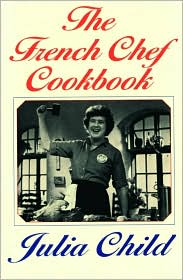
Bonjour! I love chicken livers, preferably with onions, and I love that it is such a simple and satisfying dish to make. For this adventure, I looked to Julia Child for inspiration, as I so often do, and The French Chef Cookbook (which features recipes from her show, by episode—Chicken Livers a la Française is The Eighteenth Show).
 
Julia’s recipe calls for sauteed mushrooms and ham, but I substituted sauteed onions for those and set to work. I also used a fine Amontillado we had lying around instead of Madeira (that we didn’t have). My version below is definitely less involved than Julia’s. You’ll work quickly, but your guests might think you’ve spent hours in the kitchen to prepare such a sumptuous, elegant meal in the French method. 

Serve on top of a molded ring of rice or a bed of spinach, and perhaps garnish with peas or asparagus tips!

Do
enjoy!


Sauteed Chicken Livers
For 4 to 6 people
Ingredients
1 lb chicken livers, about two cups
Salt and pepper
½ cup flour in a plate
A large sieve
2 tablespoons butter
1 tablespoon cooking oil
A heavy 10-inch enameled or no-stick skillet
1 cup onions, sauteed in butter until yellow and tender
Half cup beef stock or bullion
1/3 cup Amontillado (or Madeira, or a dry sherry)
One tablespoon fresh minced parsley

Method
Dry chicken livers on paper towels. Just before cooking, sprinkle lightly with salt and pepper, roll in flour, then shake in a sieve to remove excess flour.

Melt the butter and oil in the skillet over moderately high heat. When you see the butter foam begin to subside, add the chicken livers. Toss frequently for three to four minutes until livers are lightly browned; They are done and just springy to the touch of your finger. Do not overcook. Add onions, pour in the stock and the Amontillado, and simmer for one minute. Taste and correct seasoning. Reheat just before serving, then remove from heat and toss with parsley.


Tuesday, March 26, 2024

BOOK/A TABLE - Cassoulet


One evening, a number of years ago, after we’d knocked back practically a barrel of bourbon, my friend took it upon himself to read Ernest Hemingway’s The Short and Happy Life of Francis Macomber to us. Despite the title, there was nothing short about it; he read for what felt like hours. (Just imagine: a massive breath or a pause for another sip of Maker’s Mark to add dramatic effect as he turned each weighted page with a licked index finger.)

Frankly, I hadn’t much cared for Hemingway at that point, and this soliloquy damned near put an end to my interest in him entirely until I read A Moveable Feast—here was the extraordinary life of Hemingway himself, part of the Lost Generation in 20’s Paris! And eating his way through all of it!

Among the oysters and white wine (and Zelda and Gertrude Stein, of course), there was also cassoulet, the hearty dish of white beans, duck, and sausage. While the creation of cassoulet is attributed to Carcassonne in the region of Languedoc, Hemingway spotted it on a bistro menu in Montparnasse.

Cassoulet is a slow process of braising meat and aromatics (taking nearly as long to make as it takes to have The Short and Happy Life of Francis Macomber read to you), but well worth it. I also think it’s essential to then let your cassoulet sit overnight before heating it up again in the oven to serve.

Rest assured, when I laid this sumptous pot on the dinner table for some friends recently, I had everyone’s attention.

My favorite version is here, but you might like Julia Child’s epic foray, Jacques Pepin's “quick version” or a simpler chicken variation here, which is more like a fricassee.

As Hemingway wrote to a friend in 1950, “If you are lucky enough to have lived in Paris as a young man, then wherever you go for the rest of your life, it stays with you, for Paris is a moveable feast.”

Do enjoy!


Monday, December 21, 2015

A Friend Writes...Where's the Beef?


In Pittsburgh, there are apparently many mysteries--just ask Michael Chabon about his marvelous book, The Mysteries of Pittsburgh--however, this simply made, hearty beef stew from Pittsburgh is not among them. If you have a mind to, check out The Odd, Mysterious & Fascinating History of Pittsburgh page on facebook (where my friend found this recipe), and here's a link to what some may consider a variation of this preparation that I made, the French Boeuf a la Bourguignonne from Julia Child's The French Chef Cookbook

In the meantime, say hello to Pittsburgh's own television host Kay Neumann!


Kay Neumann's Beef Stew
1 tablespoon shortening (we used canola oil)
1 1/2 pounds lean beef, cubed (about 1/2 to 3/4 inches thick)
1/4 cup flour
2 1/2 cups water
1 small-medium onion, chopped (about 1/2 cup)
1 teaspoon salt
1/4 teaspoon pepper
1/4 teaspoon paprika
1 teaspoon sugar
1/2 teaspoon lemon juice
1/2 teaspoon Worcestershire sauce
1/4 cup tomato sauce
1 cup carrots, sliced (about 2 or 3)
1 1/2 cups potatoes, diced or cut (we diced about 3 medium potatoes in 1/2-inch cubes)
1/2 cup celery, sliced (about 1 stalk)
Place the flour in a deep bowl. Add the beef and toss to coat. Heat the oil in a large skillet. Add the beef and cook until beef is browned (stir almost constantly so the flour won’t clump). Add the water, chopped onions and remaining ingredients except the vegetables. Cover and cook over medium heat for 1 hour. Add the vegetables and cook another hour.
Note alternative: After the beef was browned, some people added all remaining ingredients, including the vegetables. Cook the stew, stirring occasionally on low to medium until the vegetables were soft, about 1 1/2 hours.


Do enjoy!

Sunday, May 3, 2015

Tonight's Menu - Quenelles!


I'd wanted to make quenelles for years, after having once had them at an intimate summer dinner party in the back garden of a friend's apartment in Greenwich Village. Finally, having found the occasion, my own particular pale, fragrant, light fish dumplings were absolutely delicious and were served as our main course, preceded by a green salad, hosted with roasted potatoes, and followed by chocolate mousse cake. Quenelles were once served as a side dish, next to such things as seared scallops perhaps or even a steak but I think they very much stand on their own. The spongy little fellows in question here were made with pate de choux (paht ah shoe--sounds like you're sneezing, anyway it's a French thick sauce base) for substance from a Julia Child recipe. There are so many versions of this delish fish so search quenelles online for your favorite but to see the great lady at work, go here for the video or purchase a copy of The French Chef Cookbook as I did. I draped my quenelles with an impossibly easy, ingenious, really quick hollandaise sauce made in a blender, courtesy of Ina Garten. I shaped the quenelles into balls with two spoons before dropping them into barely simmering water to poach--however next time I would form them by hand, in more sturdy, cylindrical shapes. Whatever your preparation, this is an elegantly arranged, readily prepared dinner for any evening!

Tonight's Menu
Delightfully Served Two
Green Salad of Baby Lettuces (prepared a la minute, table side, with a few good sprays of squeezed lemon juice, a dose of balsamic vinegar, and freshly ground pepper and salt all tossed together)
Monkfish Quenelles (any lean fish fillets may be used) with hollandaise sauce (don't be shy on the cayenne pepper)
Roasted Potatoes (in olive oil, with salt and pepper, and topped with shredded flat leaf parsley--I used perfectly suitable canned potatoes, don't tell anybody!)
Individual Chocolate Mousse Cakes (I bought them at a local patisserie--don't tell anybody!)

Do enjoy!

Thursday, March 26, 2015

Dinner is Served!


When entertaining, I find that simple elegance is the backbone to any dinner. I love these cherry brandy roses! I composed this wonderful menu of dishes that I'd made before, including an appetizer, soup, and salad, but also I endeavored to prepare a new entree that I'd never made before; a classic Steak Diane. Dessert followed these courses, of course. Read on!

Dinner
ON THE COUCH
Mini pre-made Quiche Lorraine courtesy of FreshDirect.com but the proper recipe for Julia Child's whole quiche is shown in this video.
Serve with a bottle of fizzy Spanish cava. Other various mixed concoctions made with cava found here and here

TO THE TABLE
White Gazpacho
Caesar Salad
Steak Diane*
Lemon Poppy Seed Cake

*We were too stuffed already to make the steak. Read about the ensuing morning here.


Sunday, January 5, 2014

What Were You Doing New Year's Eve?


Happy New Year! My fella and I had a ball with a cleverly composed collection of companions! I set the table with pink candles stuck into Russian-inspired in tone candelabras with fir boughs draping forth from a homey Burleigh ware pitcher, surrounded by pine cones and dried Victorian blue hydrangeas on a framed antique map over a vintage runner scattered with Japanese tangerines. We selected the red wines ahead of time and placed a host of whites in the refrigerator. Several bottles of Perrier-Jouet Champagne and prosecco joined them in anticipation of a toast at midnight! I don't mind telling you we put out paper napkins, "silver" plastic forks, knives and spoons and Chinet appetizer and dinner plates for our guests. Nobody seemed to mind and my, how much clean-up time we saved ourselves!

Our buffet menu was simple and elegant--links are below.

We started out with duck liver mousse--and do make this the day before you plan serving it, allowing this delicacy a chance to settle in. John Greeley's (executive chef at '21') steak tartare was utterly perfect and was eaten quickly by our guests. A fantastic French onion soup followed, courtesy of Julia Child, poured into cups and topped with individual slivers of French bread toasts covered with grated Swiss, Emmental and Parmesan cheeses. A salad of red and green lettuces is seen here, tossed with shallot vinaigrette and crisped prosciutto. We couldn't find escarole, as suggested in the recipe, so we improvised--improvisation is as much of a necessity as is a skillet or a spatula in the kitchen.


The peas! And mushrooms too went into our penne pasta (instead of garganelli) with cream sauce. Since the recipe called for prosciutto, we subbed wild mushrooms to avoid redundancy while bulking up on meaty flavor. It was delicious!


MENU FOR NINE
To Start
Duck Liver Mousse with Armagnac Cream
Steak Tartare from '21'
Julia Child's French Onion Soup (Soupe a l'onion)

A Superb Salad
Red and Green Lettuces with Crisped Prosciutto and Shallot Vinaigrette

The Pasta Course
Penne with Peas and Parmesan and Wild Mushrooms in a Cream Sauce

To Sup
Bloody Mary Steaks--Baby made this up. He marinated several pounds of flank steak with a Bloody Mary mixture overnight and a scoche of Russian Standard vodka. After that, the steaks were a snap to cook, arriving to the table medium rare in less than 15 minutes (including six minutes allowing the meat to rest before serving).

For Something Completely Sweet
Pepperidge Farm Chocolate and Coconut Cakes. Store bought. Love. Colorfully decorated the silver serving tray with more of the tangerines.


Monday, December 10, 2012

Veal Prince Orloff


This particular evening was inspired by the hilarious, classic "Dinner Party" episode of Mary Tyler Moore, where Sue Ann Nivens cooked everything and Mary played host. Unlike other parties that Mary threw, this meal of Veal Prince Orloff for Congresswoman Gettys was a success. And so was our dinner! I used Julia Child's recipe but this recipe from epicurious.com is very similar.

I wanted an elegant table to feature our 'haute cuisine' palely painted in mostly white.


 Simple cuts of silk celadon ribbons served as napkin rings.


As involved as the dish of Veal Prince Orloff was, it's great to make the day before and merely re-heat when dinner time comes round.

Crunchy asparagus with garlic butter was courtesy of Fresh Direct, served as our starter, and both bags took about five minutes to come to life in the microwave. Devoured.


The lovely veal is shown below, cooked to a bare pink, smothered in a sumptuous sauce passed down from the hands of French nobility! Components are listed in more detail here, but basically, onions simmered with rice created the soubise; chopped mushrooms in butter served as our duxelle preparation; the flour and milk bechamel turned into veloute with the addition of our veal liquid and then became mornay with the addition of grated Swiss cheese. After a swift puree from the heft of a hand blender, all danced together and we had the lyrical sauce for our Veal Prince Orloff.


Two sturdy bunches of braised celery to accompany the veal was basically my own invention, lightly tossed in melted butter and slowly simmered in shallots, then I added a half cup of dry white wine and a half cup of French court bouillon stock to the mix, garnished with chives and flavorful celery leaves. Devoured.


The Baked Pears Alicia was a made up dessert created for the Mary Tyler Moore episode and I did a riff on the recipe that I found online. I don't mind telling you I used canned pears so I wouldn't have to peel, split and core them. I marinated them overnight in their own juices, some water and white wine, with vanilla beans, reconstituted dried lemons slivers, cinnamon bark and baked them in a 350 degree oven until warm.


P.S. Devoured.

We set up our beautiful vintage chocolate service and made a steaming batch of hot cocoa, laced with a few shots of Patron coffee liqueur-flavored tequila.


Our guests, mid romp!


Thanks, Mary!

Soundtrack: Henry Mancini, Martinis with Mancini; Equivel, Christmas!; Herbie Hancock, Cantaloupe Island; Antonio Carlos Jobim, The Man from Ipanema; Frank Sinatra, A Jolly Christmas.


Sunday, February 6, 2011

Try To Remember

Soubise! Duxelles! Brunoise! Mirepoix! As simple as these classic French vegetable mixtures are, I can't seem to keep them inside the rattletrap I call my head. Maybe I should try to remember them by creating one of those systems that help you remember, but at the moment, I can't remember that either. Ah yes, a pneumatic phrase--no, that's not right--a mnemonic phrase.

A friend and I were trying desperately to piece together the ingredients for each mixture over our New Year's in a remote locale on the Jersey Shore, alternately merging some elements that didn't belong with one another, summoning up generously admitted probable falsehoods and otherwise becoming progressively irritated as we tried googling back and forth with what limited online access we had available to us. None of it sounded exactly right to me. I emailed her when I returned home, having pulled out The French Chef Cookbook by Julia Child as I so often do, once again beseeching it to come to any rescue. I've forgotten it all again now, so I'm writing it down with the fervent hope the exercise will help me remember on my own!

Various Mixtures
Adapted from The French Chef Cookbook by Julia Child

Soubise
This is a stuffing of braised rice and onions that JC paired off with the duxelles (see that recipe below) to make Veal Prince Orloff, but soubise is quite good on its own. For now at least, I leave you to track down the Prince yourself.
Ingredients
1/4 cup dry raw white rice
4 Tb butter
3 1/2 to 4 cups thinly sliced yellow onions
1/2 tsp salt

Method
"Preheat oven to 325 degrees.
Drop the rice into 3 quarts of boiling salted water, bring rapidly back to the boil, and boil, uncovered, for exactly 5 minutes. Drain immediately. Melt the butter in a casserole or baking dish, stir, in the onions and salt to coat with butter, then stir in the rice. Cover and cook for about an hour in pre-heated oven...onion juices contain enough liquid to moisten the rice. Soubise is done when both rice and onions are tender and lightly golden. Set aside until needed. (If served as a vegetable rather than a stuffing, you may wish to stir in a few tablespoons of grated Parmesan cheese, and some cream along with salt and pepper to taste.)" Sounds good to me!

Duxelles
Here we have sauteed mushrooms that make about one cup to serve as a stuffing with a fancy name. How is this hard to remember?
Ingredients
2 cups finely diced fresh mushrooms (about 1/2 lb.)
2 Tb butter
An 8-inch no-stick or enameled skillet
Salt and pepper

Method
"A handful at a time, twist the mushrooms in the corner of a towel, squeezing out as much juice as you can; this is so the mushrooms will be as dry as possible, and will not dilute stuffing. Then saute them in hot butter, stirring frequently for several minutes, until pieces begin to separate from each other and to brown very lightly. Season to taste and set aside. (Any leftover mushrooms may be frozen; use in soups, sauces, or other stuffings.)"

Brunoise
A combination of aromatic vegetables such as this works very well when simmered with a white wine sauce to pour over a light, white fish. While the grocery list of items needed for the brunoise may be a little longer, the preparation time is still very short.
Ingredients
Cut these very thinly, such as a 1/16th-inch dice, making just shy of 2 cups total: 2 medium onions, 2 medium carrots, 1 medium celery stalk, 8 parsley stems
A smallish sauce pan which may be heavily covered
2 Tb butter
1/2 bay leaf
1/4 tsp tarragon
1/8 tsp salt
Pinch of pepper
1/4 lb. fresh mushrooms cut into 1/16-inch dice

Method
"After cutting the first group of vegetables into the finest possible dice, cook them over low heat with the butter, herbs, and seasonings for about 20 minutes. They should be perfectly tender and the palest golden color. Then add the mushrooms and cook slowly for 1o minutes more."

Mirepoix
Suggested as an integral part of a roast beef casserole, the final mixture here is the easiest of the lot. I believe the ham is optional.
Ingredients
2/3 cup each of finely diced celery, carrots, and onions, and 1/4 diced boiled ham

Method
"All [ingredients] cooked together in 2 Tb butter until very lightly browned."

Use these mixtures as a base for your favorite dishes or follow the recipes for Veal Prince Orloff, Sole Filets de Sylvestre, or Roti de Boeuf Poele a la Matignon found in the extraordinary pages of The French Chef Cookbook. What ever you do...try to remember!

Monday, January 24, 2011

Mousse au Chocolat

If you've ever seen Rosemary's Baby, one lesson well learned is never have Ruth Gordon over for dinner! Apart from noxious tannis root, I'm not sure exactly what was in the "Chocolate Mouse" she served dear Rosemary, but here is a wonderful recipe for Mousse au Chocolat from Julia Child's The French Chef cooking show that will have your guests shrieking for entirely different, far more appealing reasons. It's darkly delicious, quite wonderful and can be made the night before serving your guests and frozen--but I think just chilling it the day of your affair is even better. Get the ingredients in order and measured ahead of time and have your selection of proper pots and pans prepared before diving in as you'll need many of them to make this marvelous mousse and will want everything at the ready. When it came time to whisk the yolk mixture in the bowl over the pot of hot water, I did that by hand (whisking away for about 15 minutes until reaching what I felt was the right "thick and creamy" consistency), but for the rest of it, I confess I spared myself the workout, instead relying on my KitchenAid mixer for assistance, alternating beater and whisk attachments!

Mousse au Chocolat
Adapted from Julia Child's The French Chef, my comments in italics
Serves 6

Ingredients
6 oz. semisweet chocolate, cut into small chunks--perhaps even use the morsels instead
1/4 cup dark rum or orange liqueur--I used both!
4 eggs separated
3/4 cup sugar
1/4 cup strong coffee--use what you have and let it sit for a while to find its strength
8 tbsp. softened butter, cut into chunks
1/4 tsp. cream of tartar
Pinch of fine salt--try sea salt
1/2 cup heavy cream--although this recipe calls for a piped rosette of cream to top the mousse, the already luxuriant dessert hardly needs it!

Method
Combine chocolate and rum in a small pot; nestle it inside a larger pot filled partway with boiling water. Cover smaller pot and set aside to let melt.

Beat egg yolks in another small pot until pale and frothy. Combine sugar and coffee in another pot; cook over medium heat until dissolved, 5-6 minutes. Pour into yolks in a stream, while whisking; set aside. Pour water into a large pot to a depth of 2" and heat over medium-low heat until hot but not simmering. (This amount of water is important as eventually I almost submerged my eggs when nestling the pot in the next step!)
Nestle pot containing yolk mixture over pot and cook, whisking vigorously, until thick and creamy, 8-9 minutes. 
(I found this took more like 15 minutes.) 
Transfer yolk mixture to a clean bowl; beat with an electric mixer until cool, about 5 minutes. (KitchenAid to the rescue again!)
Uncover chocolate mixture and stir; add butter and whisk until smooth. Fold chocolate-butter mixture into yolk mixture; set aside.

Beat egg whites in a bowl until just frothy. Add cream of tartar and salt; beat to stiff peaks. Stir one-fourth of the egg whites into chocolate-yolk mixture; gently fold in the rest. Spoon mousse into 6 serving cups or dishes. Cover and chill until set.

Here's what I didn't do, in anticipation of reveling in the sheer chocolate itself. Beat cream to stiff peaks; transfer to a pastry bag with a star tip. Pipe a rosette of cream onto each mousse.

Thursday, December 31, 2009

Dear Julia

In a year where the incandescent Meryl Streep so buoyantly captured the essence of Julia Child on the big screen in Julie & Julia, I thought a tribute to the great lady herself, an inspiration to so many of us, would be fitting to close out the first year of my food blog. I actually had a heart-stopping moment in the spring of 2008 when I saw Ms. Streep out of the window of my old apartment, walking down the street in full 1950's Julia regalia on a break while filming the movie. Now, with all due respect to Julie Powell, author of The Julie/Julia Project and her admirable accomplishments, I believe the love of cooking is neither a race, as she sped toward her personal finish line, nor a competition, as reality television would have us see it today. Some years after Julia's passing, Julia stands tall (very tall), and it seems her extraordinary legacy has never been more apparent than with a new generation of fawning fellow food bloggers or more precious with the advent of the contemporary celebrity chef.

When I saw the biting headline that rumored Rachael Ray’s marriage was “E.V.O.Over,” I thought finally people were tired of her and her ridiculous kitchen speak, including the exclamations of “yumm-o!” that pepper her shows. I know I certainly was. She reminds me of Violet Beauregarde, that little brat in Willy Wonka & the Chocolate Factory who couldn’t stop chewing gum. Ultimately it’s Ray’s gimmicks that are remembered and not a single thing about the food. Isn’t it food that these shows should be all about? Perhaps not, in the age of the celebrity chef. Paula Deen is armed with her sticks of butter—and let's not tarry over Sandra Lee’s Semi-Homemade and her tablescapes! She’d have more time to make real food if she was less concerned about matching her outfit with the serving ware. What about those of us that like to linger in the kitchen and cook? With the stars’ faces plastered on every baking pan, kitchen utensil, cookbook and endorsement, their food is merely a fashion. By the way, did you see that Dunkin’ Donuts commercial with Rachael Ray? Neither did she. The Arabic desert headdress she wore as a scarf was deemed terroristic in tone and the ad was pulled.

Perhaps the celebrity chef is an inspiration to the future chefs of America. Perhaps becoming a celebrity chef is even now a goal. Certainly the culinary field is growing rapidly, if only evidenced by these minute-meal-making media moguls. But unless you’re seated at a good table in a terribly chic restaurant, the restaurant industry is hardly glamorous and these cooking shows offer one instance where “art” does not imitate life. Kicking a dish up a notch with a flurry of garlic and a “bam!” as Emeril does (his last name seems to have disappeared, like Cher) is hardly a realistic depiction of the real business. He knows better too, having numerous restaurants of his own. If, for example, you ever saw one of the first kitchen reality t.v. shows, The Restaurant, about Rocco DiSpirito’s short-lived restaurant Rocco’s, it’s clear just how hot the kitchens really get: it’s grueling, often repetitive work, with incredibly long hours both day and night. Weekend time is non-existent.

No, it’s Julia Child I miss, the brilliant, rarefied bird, otherwise known as The French Chef who on occasional flights of fancy would leave her kitchen and take us to outdoor markets in Nice to sift through buckets of olives and capers for a Salad Nicoise. She was a real pioneer, the original celebrity chef; the first to have a cooking show on television, one that began solely about an extraordinary culinary method that fascinated her and through her own sheer exuberance became a triumphant rigor by which we all should live. Julia Child marveled at food and changed the way the world thought of it—all without uttering a single “yumm-o.”

Happy New Year everybody!

First printed in part on cookingvillage.com.

Wednesday, August 26, 2009

Taking Stock

Baby borders on near obsession when it comes to making stock. His passion, I think, is wrought from a meditation on the slow simmering of a collection of ingredients overnight, a comfortable bounty that serves as a base of so many dishes and reductions--as well as a tribute to family and the things that they taught him along the way, growing up, even if he was merely observing, peeking into a pot.

For me, I've never tasted better. As Baby tirelessly teaches me patience, here, in honor of kitchen and kin, I offer the wealth of good, patient stock; a guideline and an encouragement to make several different kinds, to either be used with a sense of immediacy or to freeze and have on hand at a later time, when occasion requires.

Chicken Stock
2 lbs. chicken wings
2 rotisserie chicken carcasses (reserve the meat to make chicken soup later with noodles)
1 large onion with skin, quartered (root bottom removed)
2 large carrots, broken in half
3 ribs celery with greens, broken in half
1/2 leek, well rinsed to remove dirt
1 turnip, halved
1 parsnip broken in half
10 whole black peppercorns
Salt to taste

Place all ingredients in an 8-quart stock pot (except for salt, add at the end). Add cold water, covering ingredients by one inch. On medium low flame, bring to a simmer (never boil) and continue to simmer for at least three hours, skimming fat and foam off of top as you go. Drain through a colander to remove large pieces, strain through a fine mesh sieve to remove smaller bits. Add salt and pepper (if needed) to taste. Cover and let cool. Refrigerate overnight. The next day, remove hardened fat from the top to reveal the golden gelatinous goodness beneath. The more gelatinous the better! Stock may be reheated and used for your favorite soups, or frozen for up to three months. If space in your freezer is an issue, stock can boiled and reduced by half to be reconstituted at a later date.

Beef (or Veal/Lamb/Pork) Stock*
8 lbs. of marrow bones (beef, veal, lamb or pork bones, depending which stock you're making; leg bones are the best to use) and 1 lb of bones with meat on them (such as rib meat)
1 large onion with skin, quartered (root bottom removed)
2 large carrots, broken in half
3 ribs celery with greens, broken in half
1/2 leek, well rinsed to remove dirt
1 turnip, halved
1 parsnip broken in half
10 whole black peppercorns
Salt to taste

*If you like, for the beef stock, a tablespoon of tomato paste may also be added.

Preheat oven to 400 degrees. Place bones in baking dish or cookie sheet in a single layer. Cook for approximately one hour until bones are nicely browned. Place bones in an 8-quart stock pot. Add remainder of ingredients (except for salt). Add cold water, covering ingredients by one inch. Over medium low heat, bring to a simmer, and continue to simmer for six hours, or as we do, place over lowest flame overnight. Drain, strain and refridgerate, and as with our chicken stock, proceed as you may.

For tips on a Maine Lobster Stock that I improvised, intended for a bisque, click here.

And of course, I turn to the great lady herself for a classic lobster stock, with my comments in italics:

Julia Child's Lobster Stock from The French Chef Cookbook
For about 1 cup
Lobster shell trimmings and debris (I've sauteed them in a skillet first until fragrant or put them under the broiler)
A stainless-steel or enameled pan
1/3 cup each of celery, onions, and carrots (I've used just onions, doubling the amount)
1 cup dry white wine or 3/4 cup dry white vermouth (I go for the wine)
1 bay leaf
6 sprigs parsley (I've used dried parsley)
1/2 tsp dried tarragon (Try Penzey's Shallot Pepper, which is laced with dried tarragon)

Chop the shell debris into 2-inch pieces and place in pan. Add the vegetables, wine, herbs, and water to cover. Boil slowly for 40 minutes, strain, then boil down until liquid has reduced to about 1 cup.

Monday, August 10, 2009

The Sole Series - Part Two, Lemon Sole

I have to admit my first stab at Sole Meuniere was a real lemon, at least to me, and it shouldn't have been: the recipe is not terribly difficult. Honestly, it appeared I was the only one who didn't like it so much. Our guests raved and ate it all; I just knew it wasn't that classic, single dish that stirred Julia Child's soul and launched her interest and subsequent career in mastering the art of French cooking when she first tasted it, in 50's France. Now, I wasn't trying for such transcendence here, I was just trying for something good, unique, and if nothing else, at least properly prepared!

At the most basic level, sole is absolutely delicious, probably whatever you do to it. So that's where I was lucky. My mistake was stupid and stemmed from haste and perhaps even nervousness to prepare a meal that Baby's co-workers (some of whom I had never met) would really enjoy. We had about ten filets and I dipped them in egg, then dredged them in flour. I then stacked them and went about other business when they just should have gone in the buttery frying pan, one at a time, as I dipped and dredged. Instead they just sat there on the plate for only a little while but that's all it took for the flour to become gummy. As I tossed them into the pan, I frantically sprinkled more flour, flipped and carried on with the rest. I guess that saved it in a way, and now I know what to do next time, but I was still (inwardly) disappointed. The sole is finished in a simple lemon and parsley sauce.

Moving on. We wanted to have shrimp for our appetizer, but as good as shrimp cocktail is, it almost seems cliched and a little lax with hardly any effort behind it. I thought of using something other than cocktail sauce but then turned to the idea of gazpacho in cappucino cups served with poached shrimp. Better, but somehow it didn't seem right to start off with. Then I thought of a cold pea soup recipe with mint that I used to make. Better still and more in keeping with the rest of the menu I had planned! I first grilled the shrimp, poached them in pork stock, chilled everything and served our Minty Pea Cappucinos with the shrimp on bamboo skewers tucked inside.

So, for the main dishes (and yes, I'm afraid there's still more to report about the Sole Meuniere) I thought to combine cultural influences (sorry, I sort of ache at the word fusion) and top the fish with sauteed leeks and squash blossoms inspired by the Sole with Zucchini Blossoms recipe I read about in La Cucina Italiana magazine. The leeks were a nice addition surely, but the frozen and stuffed breaded blossoms I had purchased in error turned to a mushy mess when I attempted to sautee them and more so, when in a panic, fried them afterward. They should have just been baked I think. Really I should have bought fresh, as in the recipe from La Cucina Italiana. Thankfully, nobody saw them at all or the act of my throwing them out! Anyway, at least they were inexpensive. The big slab of Filet Mignon came out perfectly medium-rare, in a delicious red wine reduction. I also made a summer favorite, from Saveur magazine that I've been making for about a hundred years now--Trenette col Pesto Genovese, Linguine with Pesto, with potatoes and string beans. It's such a good dish, single-handedly takes care of starch and vegetable sides, and goes very well with either meat or fish, or in this case, both.

La Tur cheese carries the moniker of being the "ice cream of cheeses" and after one luscious, extraordinary bite, I'm sure you'll agree. Seemed like a good idea for dessert. We also got the old girolle out (I wrote a post about it back in May) and spun frilly slices of Tetes de Moine (translating to monk's head) cheese. We put some blanched almonds and dried apricots out and filled an egg cup with quince paste to round out our cheese plate.

Oh and P.S. if a dish really doesn't come out well, then just start plying your guests with a lot of wine. Or order pizza. At least you tried.

Soundtrack: Henry Mancini, Martinis with Mancini; Antonio Carlos Jobim, The Man From Ipanema, Disc 2; Stephane Grappelli, Shades of Django; Lambert, Hendricks & Ross, Everybody's Boppin'; Frances Faye, No Reservations

Monday, July 13, 2009

A Bit About Brownies

Frankly the whole thing started because I needed more stuff to put in the dishwasher for a full load and thought that the various pots, pans and sundries needed for these brownies would do. You see, Saveur magazine still writes me daily, I swear they do, inviting me to tag along for another year. After 15 years of being a faithful subscriber, you'd think their earnestness might abate. Enclosed in a recent missive, they included a FREE Recipe from Saveur: Boston Cooking School Brownies. It so happened I had an afternoon with some time on my hands and as I was feeling a bit peckish for something sweet, had all of the ingredients on hand, needed to fill my dishwasher, and am a New England boy after all, I set out to make the luxurious recipe, "originally published in Fannie Merritt Farmer's The Boston Cooking-School Cook Book (Little, Brown, 1911)."

I have to confess, I don't bake much and I don't know if you do--but whoever is responsible when it comes to it, good heavens, doesn't the rapturous mix of sugar, chocolate, eggs, flour or what have you just flood the entire house with flavored memories of childhood, a sense of comfort, a collection of holidays, and sheer, plain delight once everything begins to conspire in the oven?

Before I go into the recipe though, I'd like to talk a bit about butter too. Europeans have it all wrapped up, as far as I'm concerned. If you can cut back here and there on something else, splurge on the best butter you can find. Butter from Europe indeed makes an utterly creamy world of difference.
My comments on the recipe are in italics, below.
Boston Cooking School Brownies

16 tbsp. butter, plus more for greasing This translates to 1 cup of butter, divied up so it will melt better with the chocolate
4 oz. unsweetened chocolate I had semi-sweet, so I used that
2 cups sugar
2 eggs, beaten
1 1/2 tsp. vanilla extract A really fun thing is to make your own. Get a nip of your favorite vodka and stick a vanilla bean in it. Uluvka or Grey Goose is good to use because of their long-necked bottles. When the vodka has turned a dark brown (after about two weeks of sitting in a cupboard) it's ready
1 cup roughly chopped walnuts The Oxo Mini Chopper is great, and like all of their products, completely ergonomic and comfortable to use
1 cup flour

1. Heat oven to 325°. Grease an 8" x 8" baking pan with butter. Line the pan with parchment paper; grease the paper. Set pan aside.
2. Melt butter and chocolate together in a 2-quart saucepan over low heat, stirring constantly with a wooden spoon. Remove pan from heat and stir in the sugar. Add the eggs and vanilla; stir until the batter is smooth. Add walnuts and flour and stir until incorporated. Definitely put all of these ingredients in their own separate vessels beforehand in order to keep the flow going
3. Pour batter into baking pan and spread evenly. Bake for about 60 minutes or until a toothpick inserted into the center comes out clean. Let brownies cool for at least 2 hours. Cut and serve.
Oh and yes, wait, there's a bit more:

If you read Scrambled Eggs here on my blog or if we have ever talked about my childhood, Disappearing Marshmallow Brownies have inevitably come up. My cousin, the Julia Child of my hometown, used to make them. Suffice it to say, she was a tough teacher. Although I have met with some success when making these brownies over the years, in comparison to what I remember her making, I invariably end up with Disappointing Marshmallow Brownies. I humbly suggest the recipe here, that she hand wrote and sent to me 10 years ago, tucked in the pages of her copy of Secrets of Better Cooking from Reader's Digest, published in 1973.


Disappearing Marshmallow Brownies
Yield 24
Preheat 350 degrees
Pan 9" x 13"
Time 20-25 minutes
Ingredients
1 stick of margarine or butter
1 6 oz pkg butterscotch bits
1 1/2 cups of all purpose flour
2/3rds firmly packed brown sugar (light)
2 t. Baking powder
1 t. vanilla
2 eggs (med. or lg.)
1 1/2 cup miniature marshmallows
1 6 oz. choc. bits
1/2 cups chopped walnuts
Method-
1. In a large sauce pan (heavy bottom) over low heat, melt butter and butterscotch bits. Stir constantly with a wooden spoon. Set aside to cool.
2. On a paper towel, using regular knife blend flour, brown sugar + baking powder. Add butterscotch mix + flour mix. Stir until smooth.
3. Add eggs + vanilla. Stir until smooth. Add the marshmallow, chocolate bits and nuts - stir just to blend all ingredients (Do not heat). Chocolate bits may melt some.
4. Spread in a greased 9 x 13 pan. Let it bake 20 min. Take a table knife + insert in middle. If if is sort of jiggerly take from oven. Becomes firm as it cools. When cutting do not drag knife through it - work knife up + down. Yes, life is like that, isn't it?


Sunday, May 3, 2009

An Afternoon with A & P


Baby's father (A) was coming to town with his wife (P), to meet up with her daughter, her daughter's husband and their two children. It was all very last minute and as we had just thrown our Derby party, we wanted to serve something easy but elegant for family, 'natch. I think we quite succeeded, and simply so as well.

Julia Child's Quiche Lorraine (The Eighty-seventh Show) with crumbled fried bacon, eggs and heavy cream was an excellent starter, inverted on tea cup plates, which we chose to serve cold and without a crust. We also used less cream and dispensed with the chilled butter chips as the recipe encourages, we merely rubbed the ramekins with softened butter. All told, it was easy as pie and delicious as quiche.

I'm a huge fan of clever leftovers; the hearty remains of the Southern Shrimp from the Derby with a fresh batch of instant grits made their way onto comfortable spoons again to the delight of a new audience.

We sat with sumptuous crab cakes poised on a shallow pool of horseradish sauce before getting down to business. The medium rare grilled Filet Mignon entree was served with a side of scrumptious lobster mashed potatoes and asparagus, roasted with lemon zest, and lemon- and oregano-infused oils.

Homemade thyme-infused peach sorbet quite finished us off.

Ah oui, mesdames et monsieurs, a perfectly affable afternoon in which to serve Quiche Lorraine!

Soundtrack: Stephane Grappelli, Shades of Django; Henry Mancini, Combo!; Frank Sinatra, Sinatra Sings Cole Porter; Blues in the Night, The Johnny Mercer Songbook; Falling in Love with Glenn Miller.

Tuesday, March 31, 2009

Queen of Sheba Cake

"What on earth is a Champagne party?" I exclaimed to Baby as I read about the Queen of Sheba cake (The Hundredth Show) in Julia Child’s The French Chef Cookbook. She scribes, “The Queen of Sheba is a dessert in itself, or can be the main attraction at a tea, coffee, or Champagne party.” Who has Champagne parties these days and what’s more, what do you serve? The answer began to appear quite readily, when an extraordinarily generous friend gave Baby and me 250 grams (roughly 8 ounces) of caviar as a gift. That’s what you serve at a Champagne party! I tried my best to spoon my way through the tin, but it was evident I was going to need some help!

We made the cake of rum, almonds, and chocolate on Friday. It was definitely labor intensive and a little tricky trying it for the first time (we experienced a snag melting the chocolate, not trusting ourselves) but the results were well worth the trouble. As it baked, we started plotting out the menu and calling people to come for brunch on Sunday. For starters, we knew to dress the central caviar platter with toast points, chopped red onion, capers, lemon wedges, and blini (buckwheat pancakes). This particular blini by the way, another gift that accompanied the caviar, was news to me. Unlike the blini that I’m familiar with, that are about the size of a Sacajawea dollar and topped, these pancakes were rolled out like elegant parchment, to be gently folded and filled.

Amidst the outreach of invitations, I was suddenly struck with the memory of a Martha Stewart gathering that she had mapped out in her book Menus for Entertaining, the chapter entitled, Come for Champagne and Caviar. So, I guess I had heard of that sort of party before, but it’s an old book, and I’m older still. We plucked out the recipe for Beet Horseradish sauce, as piquant as it is pleasantly pink, with sugar snap peas for dipping. I also made the Salmon Rosettes with Dill & Mustard Sauce, on pumpernickel rounds.

Baby loves making his potato pancakes, and offered to make them (and you won’t find any better, believe me). This time he topped them with a marinated, fine dice of tuna tartare and drizzled a blend of Stonewall Kitchen wasabi cream and sour cream, and placed them on a tray over a bed of parsley. The Reader’s Digest Secrets of Better Cooking supplied Stuffed Eggs with Caviar. Spoonfuls of the most buttery, delectable miso-glazed cod were passed around, I also futzed some smoked salmon with the dill and mustard sauce and tossed in a few of the blueberries that our friend had brought. That’s right, salmon and blueberries—try it.

We freely poured both Champagne and Mionetto prosecco, with offerings of juice, such as blood orange, grapefruit and Fuji apple (and the lightest splashes of elderflower-scented St. Germain liqueur) and watched the spread disappear as our guests came and went, having shared with us this most lovely afternoon.

Et voila, mes dames et monsieurs, a perfect Champagne party well suited for a Queen of Sheba cake!

Soundtrack: Great British Bands Play the Music of Noel Coward; Evil Under the Sun soundtrack; Sinatra Sings Cole Porter; The Great American Composers – Cole Porter

Monday, March 16, 2009

Duck, Duck, Goose!

Tiny telephoned, telling me she was blowing into town, so I urged she come for dinner. Now, the hearty gal likes to eat--a lot. Of course, I wanted the meal to be special, too--so what seemed in order? Nothing less than a festive Duck a l'Orange, which always reminds me of the first time I came to New York, when my Dad took me to dinner at the glorious Algonquin Hotel, while I was in high school. I still remember sitting in the Oak Room with him, both of us nattily attired, ensconced in a banquette, starting with our plates of escargots. We didn't serve such things as duck in New Hampshire, that I was aware of anyway, much less dressed with something as profound as an orange sauce. But I recklessly ordered the duck and in a single, simple moment, created a memory.

I had never tried actually making duck before, although I have cooked a goose! Both incidentally required dry vermouth (a good use for it apart from waving the bottle over a dry martini) and when I made the goose, it was to concoct a New Year's Eve feast fit for a queen (he's actually a very nice guy once you get to know him). At that particular fete, caviar and blinis were up first, a Lobster Salad poached in Court Bouillion was next, courtesy of Michael Lomonaco's '21' cookbook. And as the Christmas holidays generally tend to speak Dickens to me (ghosts in full attendance!), a Goose with Gooseberries seemed appropriate as the centerpiece. I used a recipe from a Reader's Digest cookbook volume from 1973, Secrets of Better Cooking, that an elderly cousin (who has since passed, bless her), a woman very influential to me, handed down some years ago. I braised fennel and radicchio for complementary side dishes and served Red Velvet Cake as dessert. Of course, there was also champagne creating quite a good way to ring in the New Year.


But back to the Roast Duck a l'Orange at hand! Looking to Julia Child's recipe in The French Chef Cookbook (The Nineteenth Show), I set out to find the fowl, which was no mean feat. None of the nearby supermarkets had duck but I did find an independent neighborhood butcher that sold the game five-pounder. Once I was back home, I peeled the fat off and pricked the skin as Julia says, much like I remembered doing with the goose, to release the fat. But unlike the goose, there was no basting involved. I salted the cavity of this bird, peppered and stuffed it with orange rind, which Tiny came over early to help with and supremed the oranges (peeling the rind and separating the segments from the pith with a paring knife). We turned the duck every quarter hour until cooked, allowing an hour-and-a-half at least. The orange segments then conspire with orange liqueur such as Cointreau to make the sauce. Orange bitters are also involved! You may also want to consider using Patron Citronge, I would like to try that next time.

We served French pitted olives in a martini glass as an hors d'oeuvre before serving a leafy salad (shorn red and green leaf lettuces with simple oil and vinegar dressing) as a starter. Tiny commandeered the sauteed buttery shoestring potatoes that Julia encourages as a side, which we also made with parsley and duck fat, as the duck finished. Now while one guest could never eat the actual duck or any sort of game (we made her a special Chicken Paillard), she did confess a desire to get into the bowl with the duck fat potatoes and eat her way out. I was so pleased with the potatoes and especially the duck, when the dish was finally presented. Not only was the sauce good, but the duck itself was truly, delicately infused with the flavor of the orange.

So what of dessert? I thought back to that dinner in the Oak Room, eating escargot and my first Duck a l'Orange, where I finished it all off with my first gigantic slice of of New York cheesecake. Bien sur! That was just what to have! Tiny brought a very big cheesecake, courtesy of Junior's that we could all share for dessert (at least that was the hope!). We toasted the whole dinner in honor of my Dad, who swore he was working out the train timetable so he could meet with us.

As wine continued to flow, we broke out the Barbra Streisand cds and into song as well. Baby capped off the evening with his unparalleled version of Goldfinger by Ms. Shirley Bassey.

Et alors, mes amis, a dinner of duck destined to delight and apparently, one that also inspires song!

Soundtrack: Astor Piazolla, Tanguedia de Amor; Martinis with Mancini; Henry Mancini, Combo!; Lee Morgan, Cornbread; The Ramsey Lewis Trio, The In Crowd

Chicken Livers a la Francaise

A quiet night at home was most wonderfully attended by making Julia Child's recipe for Chicken Livers a la Francaise from The French Chef Cookbook. After all, not every evening can be besotted by an exquisite, labor-intensive dish like Coquilles Saint-Jacques. We usually save dishes like that for guests! In keeping with our attempt to more fully utilize our stack of cookbooks, we once again looked to Ms. Child's epic tome for the Chicken Liver recipe which is as simple as it is satisfying, instead of being as time consuming as it is caloric. And besides, Baby is on Weight Watchers, so we lightened it up a little.

We both, Baby and I, have a long history of eating chicken livers, as well as comforting memories that we associate with them, having been fed chicken livers since we were children. Our parents just used to fry them up, with a little salt, pepper and onions. My father would even throw some chicken hearts in there, which I loved and ate with abandon (I still do). Years later, a friend in college dipped the livers in bread crumbs too before sauteeing them for me. Not only did I still think they were delicious but they were about ten cents a pound at the supermarket and what college student can balk at that?

Keeping Baby's fat intake in mind, I didn't purchase any bacon such as Applewood Smoked (my favorite) or even turkey bacon to go with our livers, which I have incorporated before with much success. Nor did I light the thing on fire with a few jiggers of brandy. I just followed Julia's recipe, straying only in using an Osborne Tawny Porto I had on hand instead of the Marsala wine that she lists. I also did not toss them in a final tablespoon of softened butter. I don't think it's really necessary. The dish came out very well, and we were both very pleased with our delightful dinner. I tore up some green leaf lettuce for a side salad and drizzled on it my favorite Shallot Champagne Vinaigrette from Michael Lomonaco's '21' Cookbook, and placed Baby's chicken livers on a bed of spinach (as Julia suggests), which I had steamed with garlic, parsley and thyme. A glass of a French Michel Girard & Fils Sancerre was a perfect accompaniment--Baby had a Pellegrino.

Et fin mes cheres, what a lovely evening at home with Chicken Livers a la Francaise!

Soundtrack: The music of good conversation.

Thursday, March 12, 2009

Cassoulet

Baby and I were just enthralled watching DVDs of Julia Child's show The French Chef and became so inspired that we decided to really try and utilize any of the many cookbooks filling the shelves in our pantry more frequently. The French Chef Cookbook that features recipes from the ground-breaking show was a natural to start with and first up was Cassoulet (The Thirty-ninth Show)! And you must say it as she would have, like a flute stuffed with cotton. Cassoulet!

Now, we don't shy away from the complicated meals, the ones that take a week to prepare. Ask our recent guests that reveled in Onion Soup, Lobster Yorkshire Puddings with a vanilla chive sauce and tarragon chiffonade as a precedent to our Filet Mignon (with homemade demi glace) and a side of asparagus drizzled with Michael Lomonaco's Shallot Champagne Vinaigrette from '21'. But we certainly picked a doozy to start out with in recreating Julia's Cassoulet. We started on Monday, and finished on Friday, shortly before our guests arrived.

Apart from the food served, the success of any dinner party hinges upon the guests involved. Ours were split into three camps, who were excited for three different reasons. For the Sisters M, Cassoulet is their favorite thing, and they immediately set out to find red wines for a perfect pairing; Slushy had never tried the dish before; and Islip (Slushy's boyfriend) had never heard of anybody taking a week to prepare a meal. I recently learned that we inspired him to make a somewhat elaborate meal of his own for Slushy. That's perhaps the most exciting news.

Once we had settled on our main dish and the guests involved, I started thinking about what else to serve--and I must say that everything we created for this meal was a really wonderful journey. So Cassoulet is probably the most hearty dish ever, right? I didn't want to serve cheeses, meats, or anything else to weigh our guests down. I remembered from years back a friend had served salted radishes with butter as a starter. Perfect! I kept the leafy greens intact and spread them across an olive wood cutting board with a ramekin of butter on the side. Not only did it all look gorgeous by the flicker of candlelight, the radishes were quickly devoured.

Recalling an article from Saveur (my favorite magazine, I've kept every issue--it features Reese's Cups as readily as it does foie gras), I thought an elegant platter of white asparagus with pink-tinged tips would make for a superb first course. It certainly wowed our friends, and never having made it before, wowed Baby and I as well. It was Saveur that taught us to shave the tough skin of white asparagus, which you don't have to do with the green variety, and simmer the stalks in water with butter, lemon and salt (I assume to remove the bitterness). I added Bay leaves to the water for another layer of flavor. Riffing on the aforementioned Shallot Champagne Vinaigrette, I brushed a blend of lemon and oregano infused olive oils, garlic, and white wine vinegar on the asparagus.

The Cassoulet was well worth the time spent. It was decidedly a hit! We had prepared our lamb on Monday, and made our sausage cakes. Tuesday, we roasted the pork! As we had theater tickets on Wednesday, we took the night off. Thursday, we soaked our beans and prepared for the final assembly. Then the Cassoulet only had to bake for an hour before it was ready to go.

We had just planned on serving lemon sorbet with basil for dessert but I was unsatisfied with that. How do you serve something as rich as Cassoulet and then cap it off with sorbet? No, we needed a bejeweled crown. Then the March issue of Gourmet magazine arrived with a recipe for Chocolate Raspberry Clafoutis ("somewhere between custard and cake") and it was easy as pie. Most of it's done in a blender and couldn't be more jaw-dropping.

Et voila, mes cheres, here we have a perfect evening suited for Cassoulet!

Soundtrack: Martinis with Mancini; Austin Powers Soundtrack; Serge Gainsbourg, Couleur Cafe; Paris Combo, living-room